We are facing a massive shortage of high-level Project Managers, Commercial leads, and technical coordinators who actually know how to deliver a modern industrial or commercial scheme. This isn’t just about having names on a payroll; it’s about a lack of specific, battle-hardened experience in a market that is becoming increasingly complex.

The biggest gap we see at Brixen isn't at the very top or the very bottom of the career ladder. It’s right in the middle. We have plenty of ambitious junior engineers and plenty of seasoned Directors, but the "Engine Room" the Project Managers and Senior Quantity Surveyors with 10 to 15 years of solid site experience is hollowed out.
There are a few reasons for this. First, we are still feeling the aftershocks of the 2008 recession and the subsequent dips where the industry stopped bringing in and training graduates. That’s a decade of talent that simply doesn't exist in the volume we need today.
Secondly, the nature of the job has changed. A decade ago, a PM just needed to be a good builder who could manage a program. Today, they need to be a part-time lawyer, a tech expert, and a diplomat. They are dealing with incredibly complex JCT and NEC contracts, BIM requirements, and ESG (Environmental, Social, and Governance) targets that didn't exist twenty years ago. We are asking more of our white-collar teams than ever before, but we haven't increased the pool of people capable of doing it.
The biggest gap we see at Brixen isn't at the very top or the very bottom of the career ladder. It’s right in the middle.
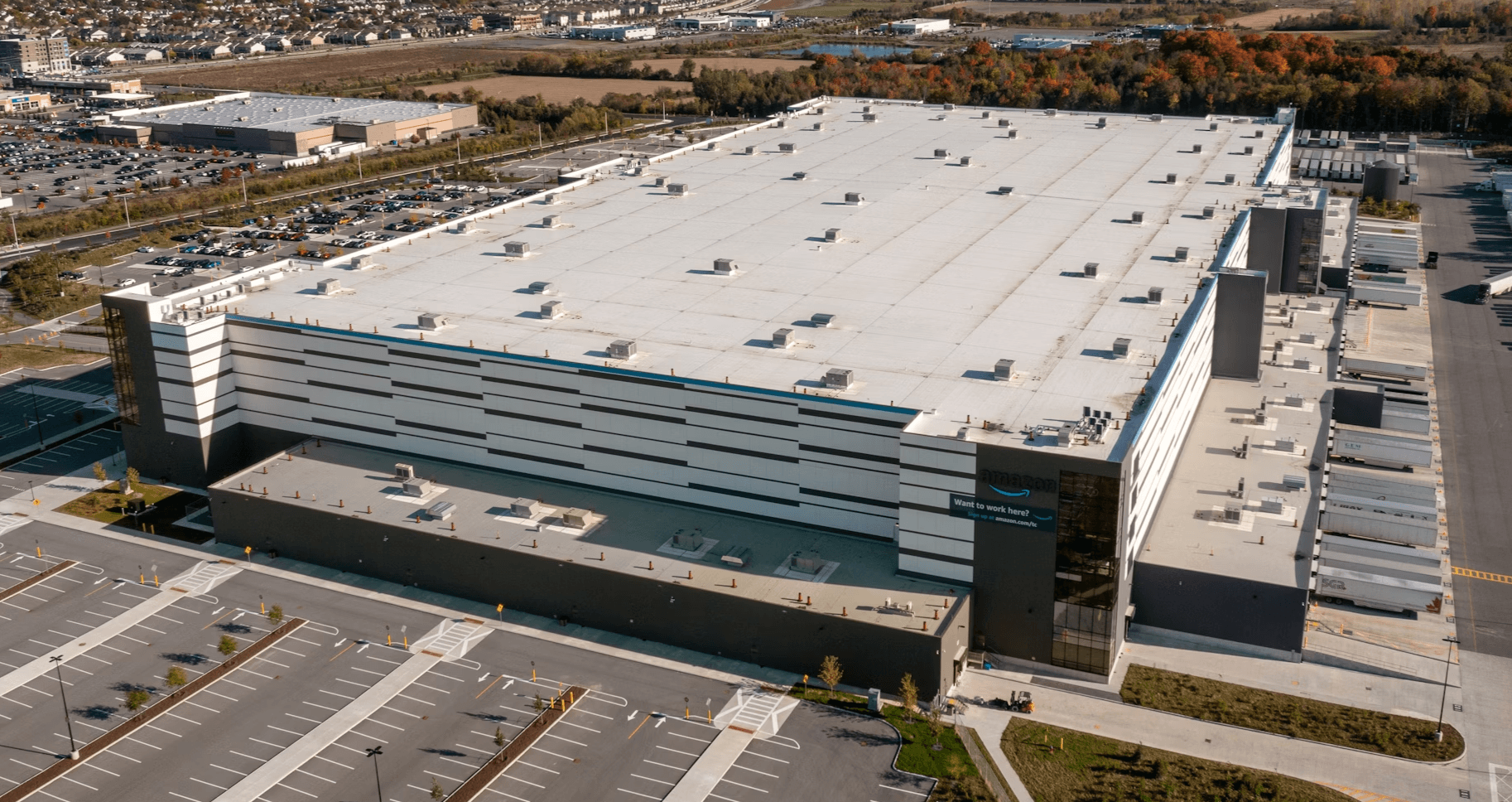
The skills gap is particularly obvious when you look at the Industrial and Distribution sector. There’s a common misconception that building a 500,000 sq. ft. warehouse is "simple" because it’s a big steel frame on a slab. Anyone who has actually run one of these jobs knows that is total nonsense.
The technical specs for "Big Box" builds have skyrocketed. We’re seeing massive requirements for automated mezzanine floors, sophisticated temperature-controlled environments, and complex power infrastructure to support robotics. You can’t just take a Project Manager who has spent their life building retail parks or housing estates and drop them onto a high-spec logistics hub.
The risk management involved is on a different level. If the floor slab isn't perfect, the robotics won't work. If the power isn't secured early, the tenant can’t move in. We need people who understand the sequence of these specific builds and can spot a problem three months before it happens on site. Because there are so few people with that specific "Big Box" pedigree, we’re seeing a massive tug-of-war for the same small group of professionals.
If you look at job boards, it looks like there are plenty of people "looking." But the reality is that the talent you actually need—the ones currently delivering successful schemes for your competitors—are rarely looking at adverts.
In a crisis, people value security. The best PMs and Commercial Managers are being looked after by their current firms because those firms know exactly how hard they are to replace. They are getting the best bonuses, the best car allowances, and the most interesting projects. They aren't going to risk that for a generic "Project Manager wanted" advert on LinkedIn.
This is why the skills gap feels so much worse for companies that rely on traditional recruitment. If you only hire from the "active" market, you’re often choosing from the same pool of people who are move every 12 months or are struggling to stay in a role.
To bridge the gap, the industry has to change how it talks to talent. It’s no longer about just offering more money—it’s about offering a better-run site, more autonomy, and a clear path to the next big project. At Brixen, we spend our time in the "passive" market because that’s where the technical expertise is hiding. The talent isn't gone; it’s just staying put until someone gives them a genuinely better reason to move.
Recent Blogs
Get the power of Recroot on-the-go, featuring one-touch apply.
Partnering with construction businesses to fulfil critical hiring challenges.