In the world of construction, we tend to be a reactive bunch. We wait for the tender to land, the contract to be signed, and the "start on site" date to be set before we even think about the personnel needed to run the job.

On paper, it makes perfect commercial sense—why carry the overhead of a senior salary before the revenue is guaranteed? But in the current white-collar market, that logic is flawed. If you wait until you’ve won the bid to start looking for a Project Lead or a Commercial Manager, you’ve already lost the advantage. You are no longer "hiring"; you are "panic-buying," and that rarely leads to a high-quality result.
When you start a search only after a project is secured, you are immediately working against the clock. Most top-tier Project Managers and Senior QSs have a three-month notice period. If your project starts in six weeks, you’re already looking at a massive gap in leadership at the most critical stage of the build: the mobilisation.
This time pressure forces you into the "body in a seat" mentality. You stop looking for the person who is the best fit for your company culture or the specific technical demands of the site, and you start looking for whoever can start the soonest.
Reactive hiring also costs you more in cold, hard cash. Candidates know when a firm is desperate. If they know you’ve got a multi-million-pound scheme starting on Monday and no one to run it, their salary expectations suddenly jump. You end up paying a "panic premium" for a candidate who might only be a 70% match for the role, simply because you didn't have the luxury of time.
There is a massive, often overlooked benefit to pipeline hiring: it actually helps you win more bids.
The smartest firms we work with don't treat recruitment as a one-off event. Instead, they build a "pipeline." This doesn't mean hiring people to sit around doing nothing; it means having a shortlist of 5–10 elite professionals in the back of your mind at all times.
Building a pipeline is about staying in the conversation. It means identifying the people you’d love to have on your team in six months or a year and starting that relationship now. You might not have a live role for them today, but by the time you do win that big industrial fit-out or commercial landmark, you aren't starting from scratch. You’re picking up a phone call that started months ago.
At Brixen, we help our clients map out their "dream team." We find the professionals who are currently delivering successful projects for your competitors and we get to know what makes them tick. When your bid lands, you already know who is available, what they want, and, most importantly, that they are interested in working for you.
There is a massive, often overlooked benefit to pipeline hiring: it actually helps you win more bids.
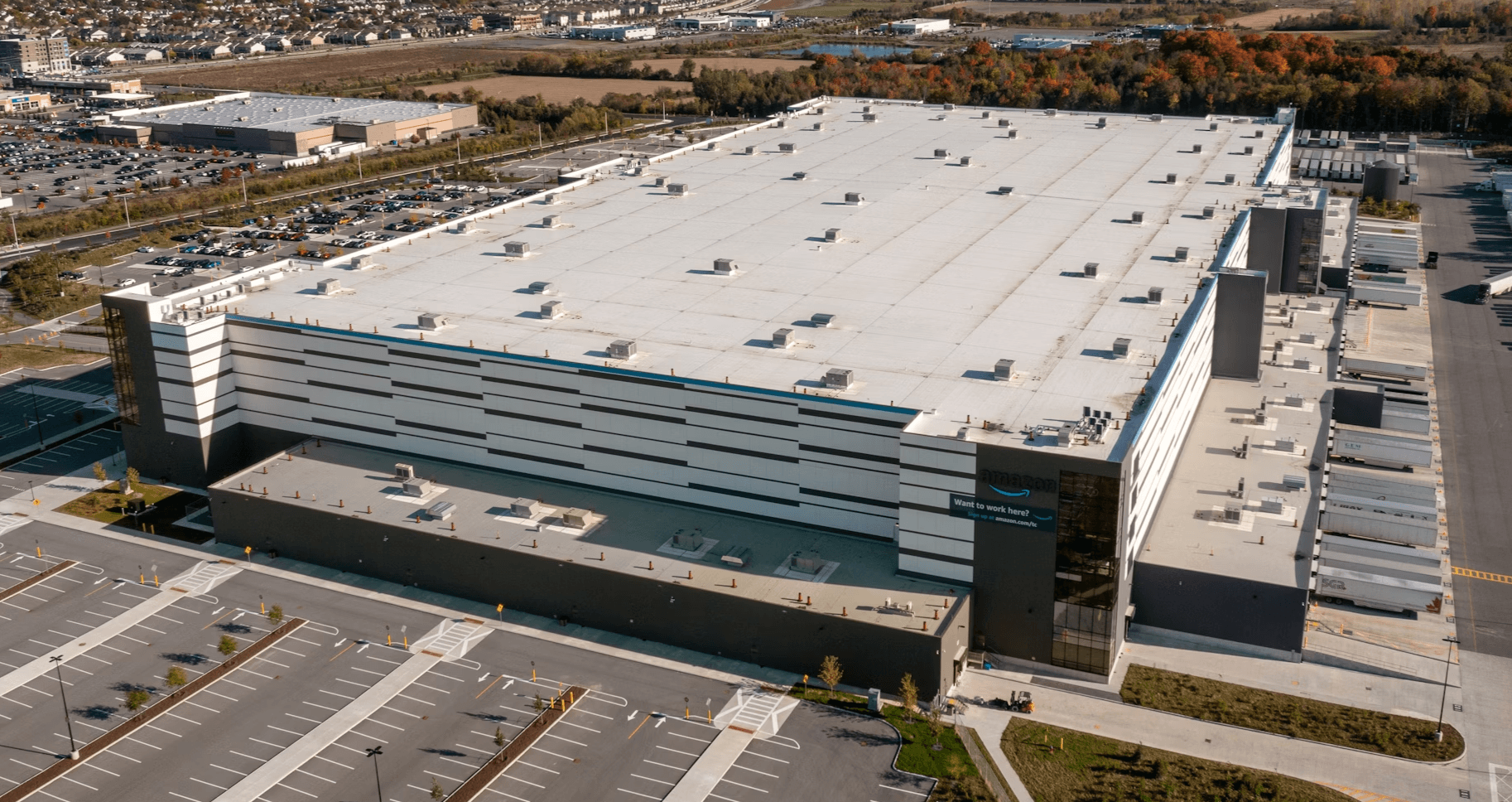
Clients—especially the big "Big Box" developers—are becoming much more discerning about who is actually going to be on-site. They don’t just want to see a corporate brochure; they want to see the CVs of the specific Project Manager and Commercial Manager who will be delivering their scheme. They want to know that your team has the "pedigree" to handle their specific technical requirements.
If you can walk into a tender meeting and say, "We have already identified the lead for this project, and here is their track record of delivering three similar schemes," you are miles ahead of the competitor who is still planning to "go to market" once the contract is signed.
A talent pipeline changes recruitment from a back-office headache into a strategic front-end tool. It’s about being proactive rather than reactive. In a market where the best talent is the rarest commodity, having your team ready before the whistle blows is the only way to guarantee a smooth, profitable project delivery.
Recent Blogs
Get the power of Recroot on-the-go, featuring one-touch apply.
Partnering with construction businesses to fulfil critical hiring challenges.